

Why Some Coffee Tastes Like Blueberries (And It’s Not Flavored)
If you’ve ever taken a sip of a high-end Ethiopian coffee and thought, “Did someone put blueberries in this?” — you’re not crazy.
That “blueberry bomb” moment is often when people realize coffee doesn’t just taste like… coffee. It can taste like fresh fruit, citrus, florals — even jam.
At Carolina Coffee Works, we get asked about this a lot.
Is it flavored?
Is there syrup added?
No.
Those fruit notes are naturally occurring. They come from three things:
• The coffee variety
• The land it’s grown on
• And most importantly — how it’s processed after harvest
Let’s break down what’s actually happening.
Coffee Is a Fruit First
Before it’s a brown bean in your grinder, coffee is a seed inside a fruit called a coffee cherry. That cherry is full of sugars and acids — just like any other fruit.
The way that fruit is removed from the seed determines a huge part of how the coffee will taste.
In specialty coffee, two main processing methods dominate:
-
Natural (Dry) Process
-
Washed (Wet) Process
Both can produce great coffee. But if you’re tasting blueberry? It’s almost always from a Natural. specialty coffee beans,
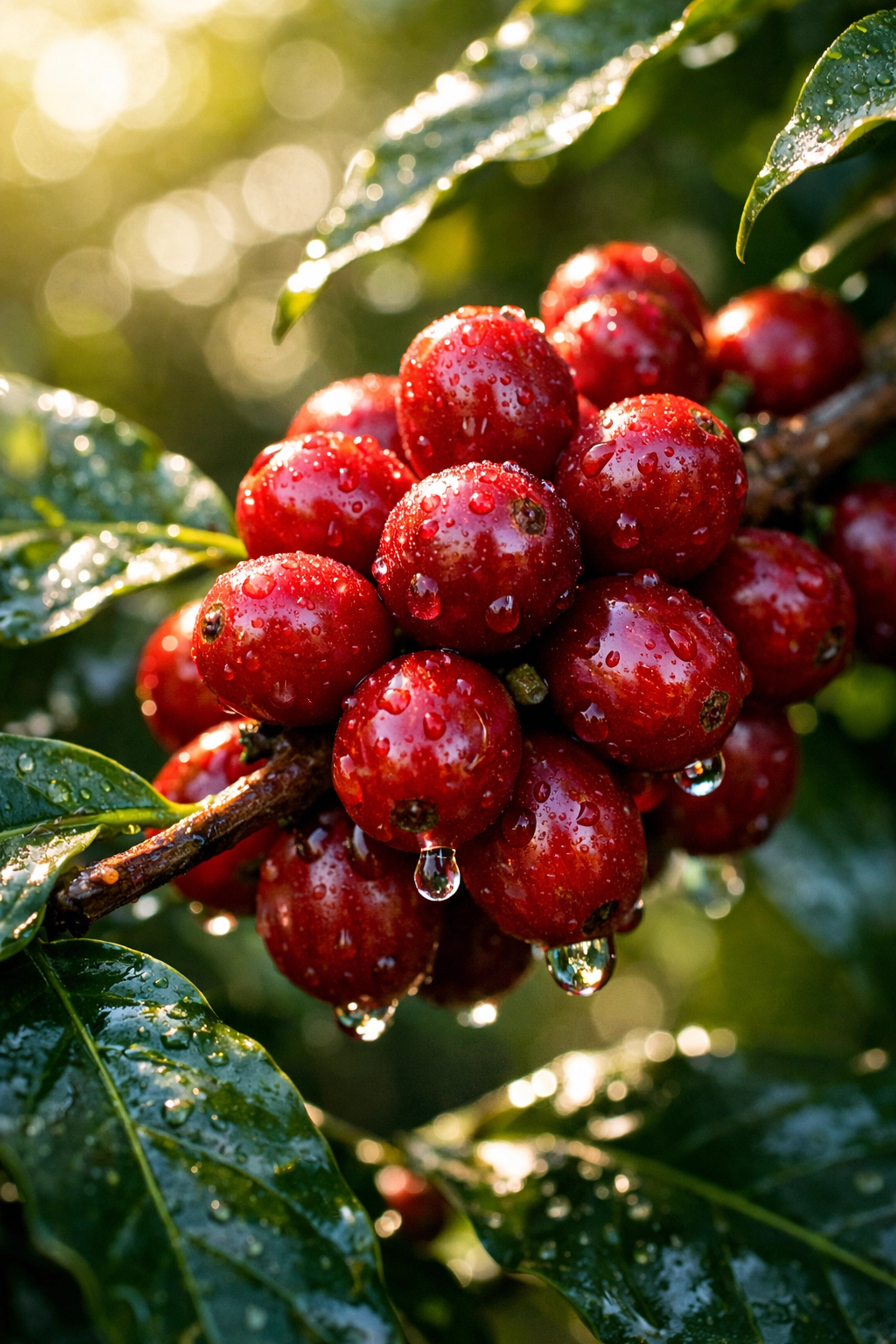
The Natural Process: Where the Fruit Stays Involved
The Natural process is the oldest method of coffee processing — and one of the hardest to get right.
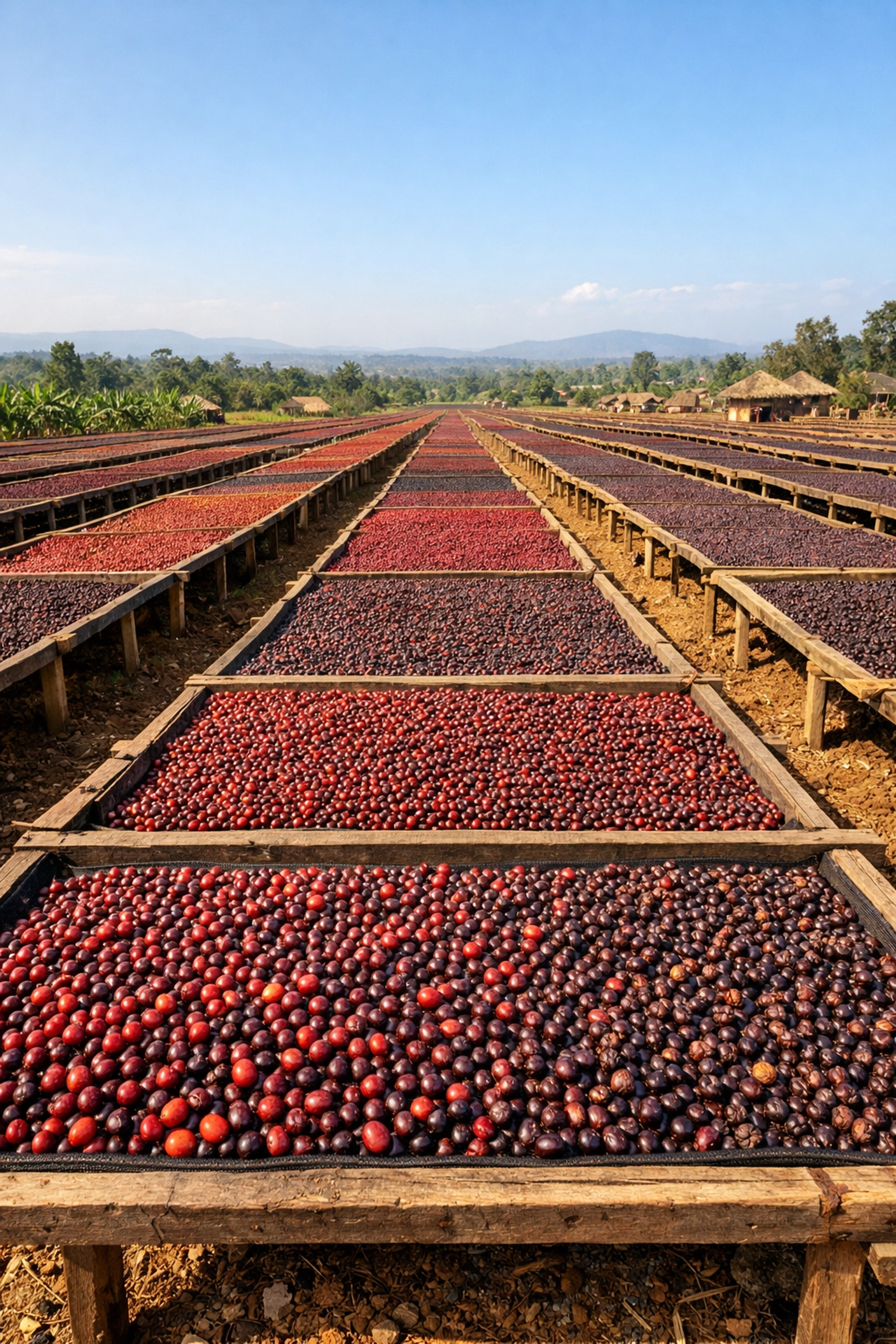
After harvest, the entire cherry is laid out to dry in the sun. The seed stays inside the fruit for weeks while it dries.
During that time, the sugars and acids from the fruit interact with the seed. A controlled fermentation happens naturally. That fruit contact leaves a real impact.
The result?
Heavier body.
Jammy sweetness.
Wine-like acidity.
And in some cases — big blueberry notes.
When you taste a naturally processed Ethiopian, you’re tasting the effect of that extended fruit contact.
Done well, it’s incredible.
Done poorly, it can taste over-fermented or “funky.” That’s why quality at origin matters so much.
The Washed Process: Clean and Precise
With the Washed process, the fruit is removed almost immediately after picking.
The beans are fermented in water to remove remaining pulp, washed clean, and then dried.
Because the fruit is gone early, you’re tasting more of the bean itself and the soil it grew in — what people often call terroir.
Washed coffees tend to be:
• Brighter
• Cleaner
• More tea-like
• Citrus or floral forward
They’re fantastic — but they rarely produce that heavy blueberry punch.
Why Ethiopia Delivers the Blueberry
If you’re chasing that blueberry flavor, you’re usually looking at Ethiopia — especially regions like Yirgacheffe or Sidamo.
Ethiopia is the birthplace of coffee, and many heirloom varieties grown there naturally carry intense floral and fruit characteristics.
Combine those genetics with natural processing, and the result can be explosive — blueberry, strawberry, tropical fruit, even blueberry muffin vibes.
But again — it only works when picked at peak ripeness and processed carefully. Precision matters.
What About Anaerobic Processing?
You may also see coffees labeled “Anaerobic Natural.”
This is a more controlled version of natural processing where cherries are fermented in sealed, oxygen-free tanks before drying. The environment is tightly managed to encourage specific microbial activity.
The result?
Even more intensified fruit character.
It’s not marketing hype — it’s controlled fermentation science.
When executed properly, it can push fruit notes to another level.
Why You Won’t Taste This in Grocery Store Coffee
These fruit notes require:
• Ripe cherries
• Careful processing
• Slow drying
• Proper storage
• And thoughtful roasting
At Carolina Coffee Works, we source specialty-grade coffees that typically score 85+ in professional cupping. That means they were harvested and processed with attention to detail at every step.
You can’t fake that with artificial flavoring.
Which brings us to an important distinction.
care. To learn more about our commitment to quality, check out our About Us page.
How We Roast to Protect Those Fruit Notes
Sourcing great coffee is half the equation. Roasting it correctly is the other half.
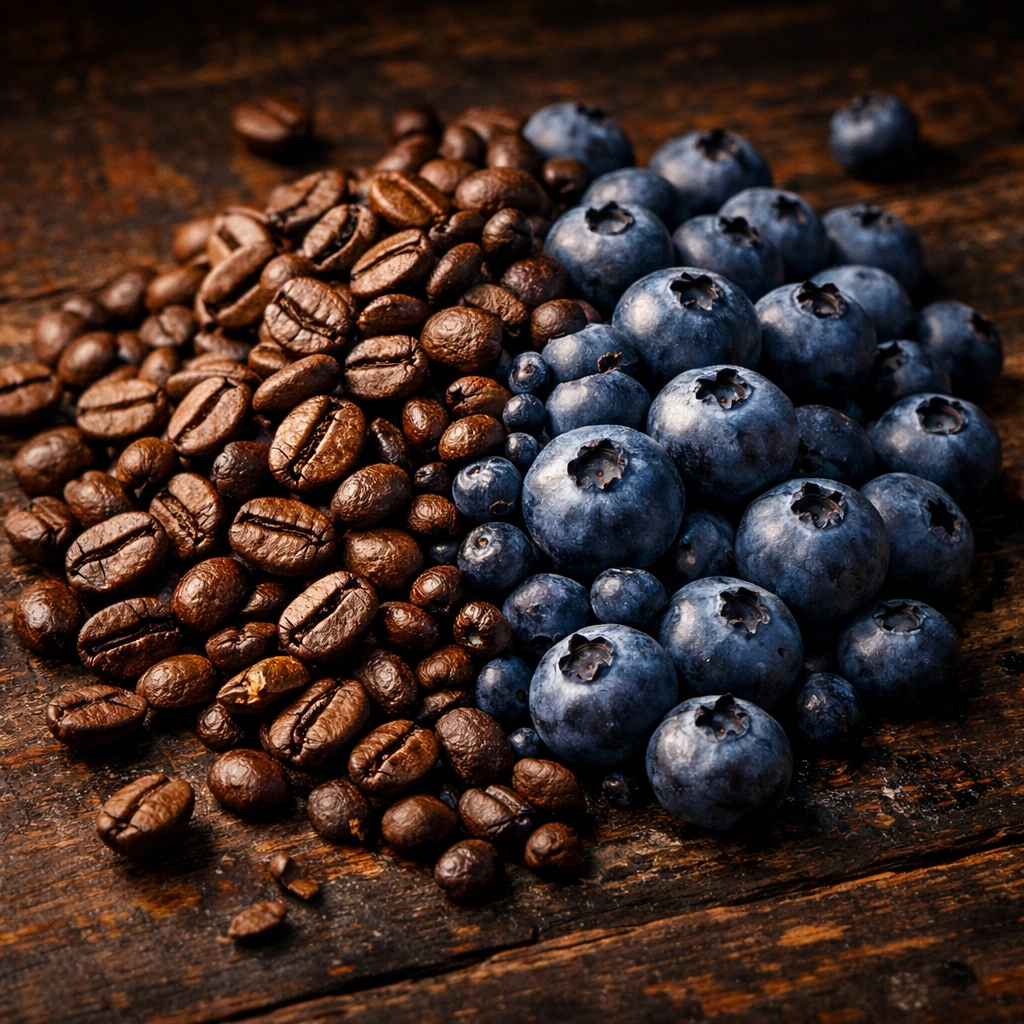
We use a small-batch air-roasting system that allows for extremely even heat application. Instead of tumbling against hot metal surfaces, the beans are suspended in a stream of high-velocity hot air.
That level of control helps us:
• Avoid bitterness
• Preserve acidity
• Protect delicate fruit characteristics
Especially in lighter roasts, control matters. The goal isn’t to taste the roast — it’s to taste the coffee.
Curious about the science? You can read more about our coffee roasting process here.
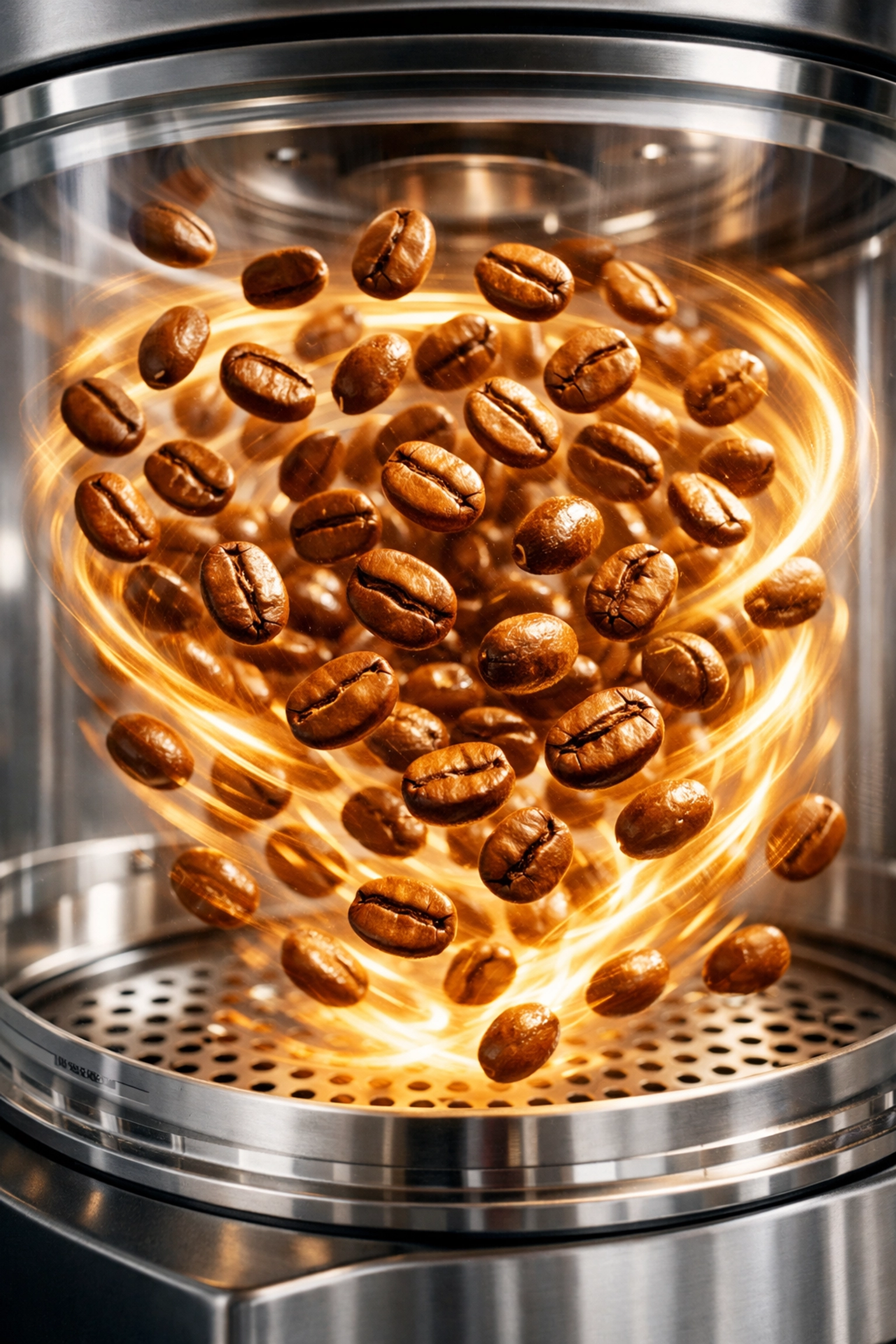
Blueberry Notes vs. Blueberry Flavored Coffee
There’s a big difference.
Blueberry Flavored Coffee
-
Artificial oils added after roasting
-
Often lower-grade beans
-
One-dimensional sweetness
-
Chemical aftertaste
Natural Blueberry Notes
-
No additives
-
Driven by origin and processing
-
Complex and layered
-
Clean finish
When we talk about fruit-forward coffee, we’re always talking about the second one.
Nothing added. Nothing sprayed on. Just coffee.
Unlocking the Journey: The Lifecycle of Coffee Beans.
How to Brew for Maximum Fruit Flavor
If you pick up a naturally processed Ethiopian, here’s how to get the most out of it:
Use Filtered Water
Coffee is mostly water. Start clean.
Water Temperature: 200–205°F
Too cool and it’ll taste flat. Too hot and you mute clarity.
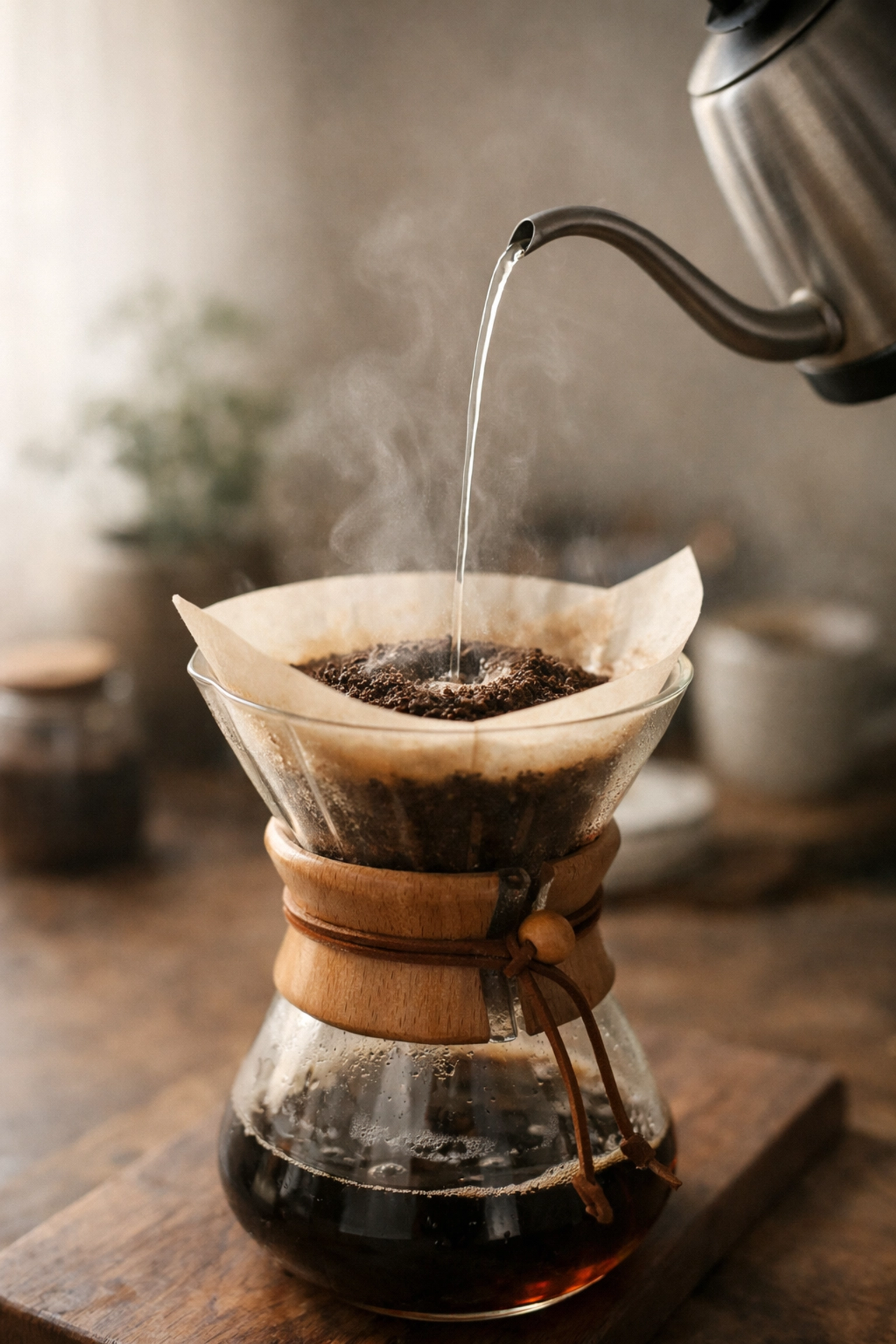
Use a Pour-Over
Methods like a V60 or Chemex highlight brightness and clarity better than heavy immersion brewers.
Drink It Fresh
Fruit-forward notes shine brightest within about four weeks of roast.
how to make a perfect cup of coffee.
Final Thoughts
Final Thoughts
When coffee tastes like blueberries, nothing artificial happened.
It’s the result of:
• Genetics
• Soil
• Ripeness
• Processing
• And careful roasting
That “blueberry bomb” moment isn’t magic.
It’s just really well-handled coffee.
If you want to experience it for yourself, try one of our naturally processed Ethiopian coffees — that’s where the fruit lives.
Ready to find your new favorite roast? Explore our latest specialty coffee beans or sign up for a subscription to have the "blueberry bombs" delivered right to your door!