

When you think of Central American coffee, countries like Guatemala and Costa Rica probably come to mind first. But here's the thing: Nicaragua has been quietly producing some of the most exceptional coffee beans in the world, and it's about time more people knew about it.
As the 12th-largest coffee producer globally, Nicaragua punches well above its weight in the specialty coffee scene. What makes this country so special? It's a perfect storm of volcanic soil, ideal altitude, and passionate farmers who've been perfecting their craft for generations.
Why Nicaragua's Geography is a Coffee Lover's Dream
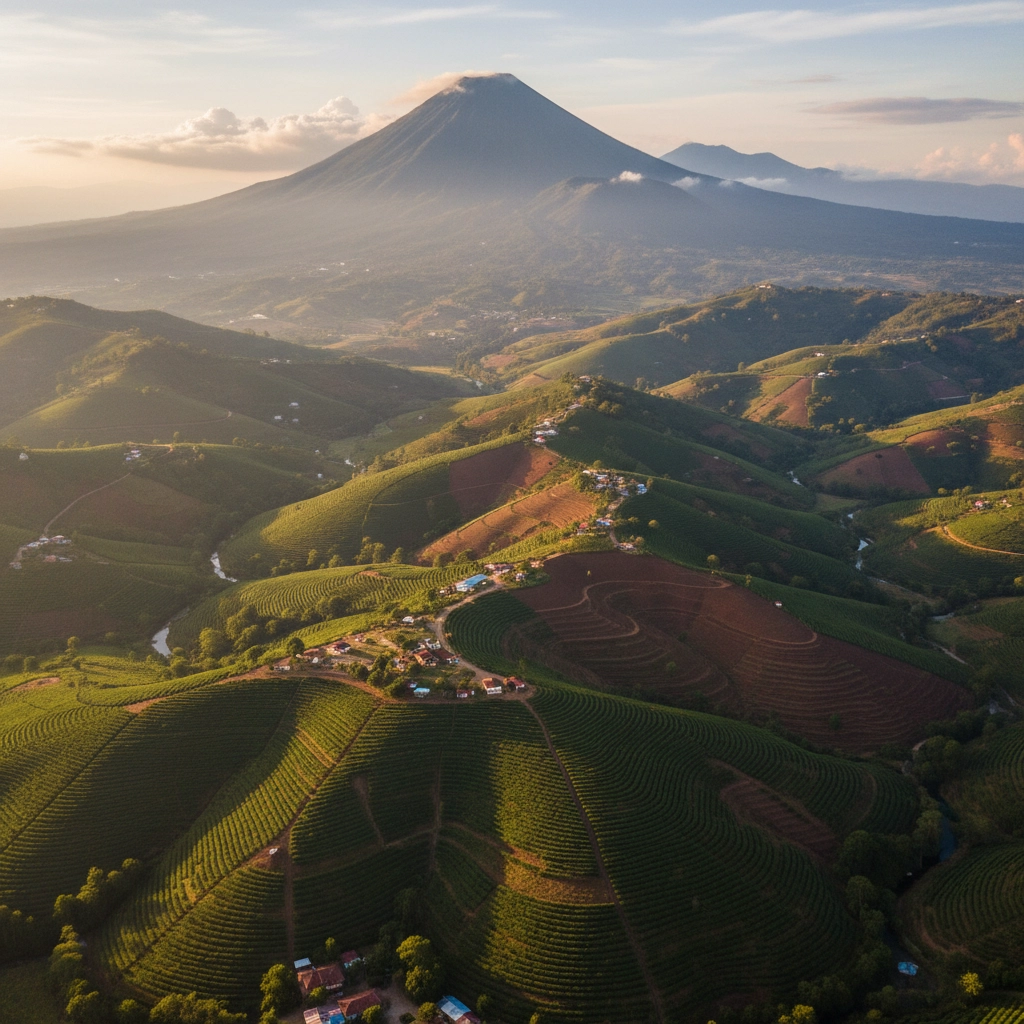
Nicaragua sits in that sweet spot of Central America where everything just works for coffee. Picture this: a landscape dotted with 40 volcanoes, creating mineral-rich soil that coffee plants absolutely love. The country spans about 130,000 square kilometers, and the western half is essentially a coffee paradise: valleys separated by rugged mountains, all sitting on that nutrient-dense volcanic foundation.
The climate diversity here is incredible. You've got tropical savanna, dry subtropical, monsoon savanna, and tropical rainforest conditions all within the same country. This means Nicaraguan coffee farmers can grow different varieties that thrive in specific microclimates, resulting in a fascinating range of flavor profiles.
The Big Three: Nicaragua's Coffee Powerhouse Regions
Here's something that might surprise you: 85% of Nicaragua's Arabica coffee comes from just three regions: Jinotega, Matagalpa, and Nueva Segovia. Each has its own personality and produces distinctly different cups.
Jinotega: The Production Champion
Jinotega takes the crown as Nicaragua's top coffee-producing region. Sitting at 1,000 to 1,500 meters above sea level, this northern region has that cool, high-altitude climate that makes coffee plants work harder to develop complex flavors. Over 15,000 families here cultivate about 110,000 acres of coffee, growing everything from traditional Caturra to the unique Maracaturra variety.
What's cool about Jinotega is how the farmers have embraced both heritage varieties and modern cultivars. You'll find Java, Marseillaise, and even some experimental H1 and H3 varieties alongside the classics.
Matagalpa: The Quality Legend
Matagalpa has earned its reputation as the region that consistently produces Nicaragua's highest quality beans. Located in central Nicaragua, it contributes about 30% of the country's total production. The altitude here ranges from 800 to 1,400 meters, with cool temperatures, high humidity, and that volcanic soil working its magic.
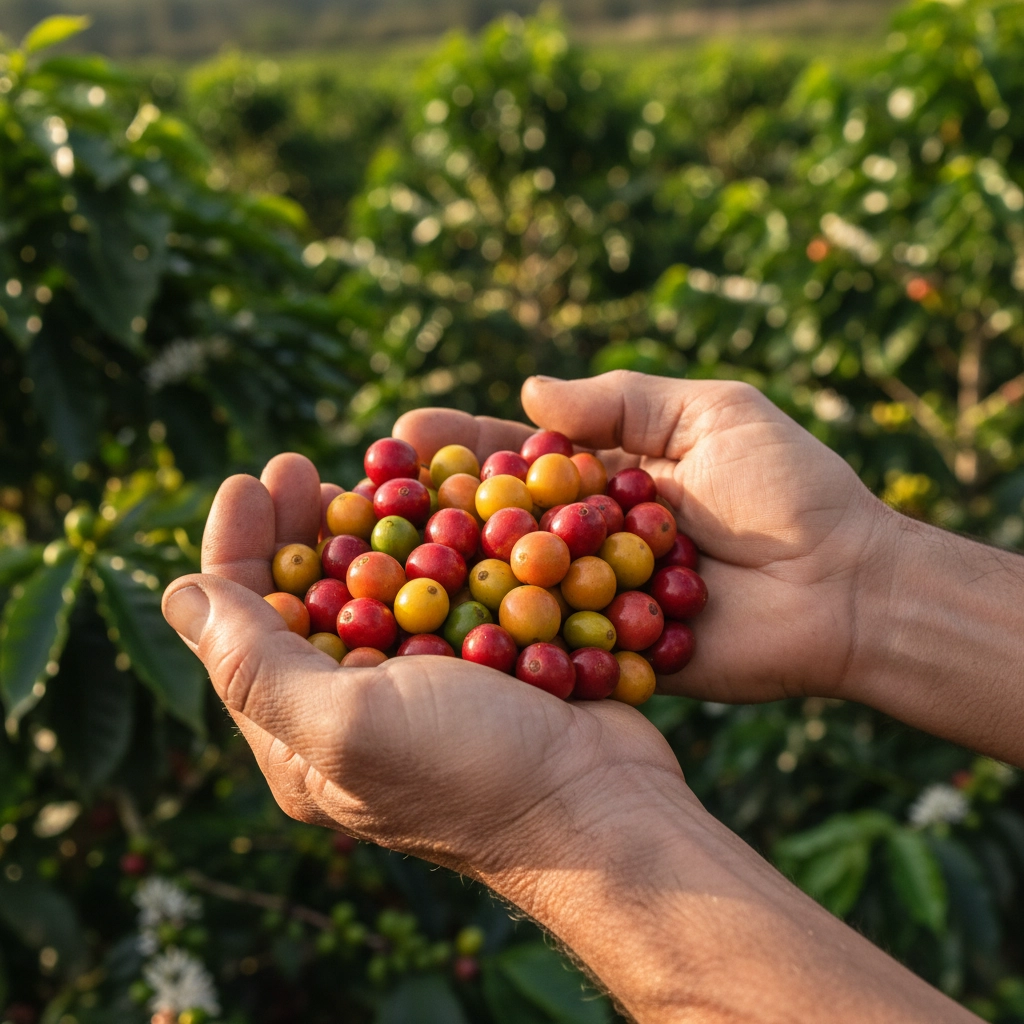
The variety list in Matagalpa reads like a coffee geek's dream: Pacamara, Maragogype, Bourbon derivatives, and even some Sarchimor. More than 35,000 families work approximately 98,000 acres of coffee here, and the attention to quality shows in every cup.
Nueva Segovia: The Border Beauty
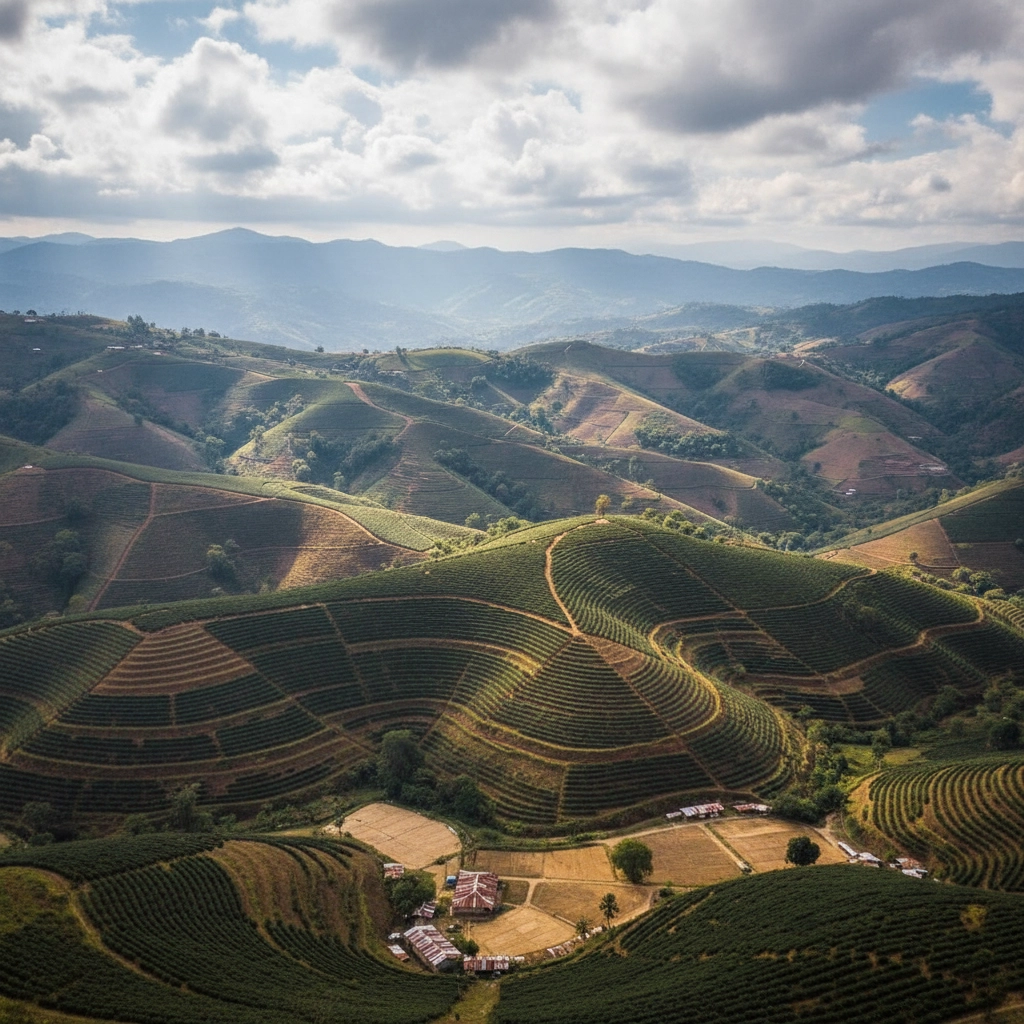
Up north near the Honduran border, Nueva Segovia might contribute "only" 14% of the country's production, but don't let that fool you. The higher altitudes here: often reaching 1,500 meters: create microclimates that protect farms from the heat and weather patterns that can stress lower-altitude coffee.
The 5,000+ families farming coffee in Nueva Segovia focus primarily on Caturra, Catuaí varieties, and Catimores, but the unique terroir creates cups that taste distinctly different from the same varieties grown elsewhere.
The Supporting Cast: Esteli and Madriz
While Jinotega, Matagalpa, and Nueva Segovia get most of the attention, Esteli and Madriz deserve recognition too. Esteli, with its mineral-rich red soil and tropical monsoon climate, produces exceptional Bourbon, Typica, and Pacamara. Meanwhile, Madriz's hilly terrain and alluvial soil create perfect conditions for Caturra and Catuaí varieties.
What Does Nicaraguan Coffee Actually Taste Like?
This is where things get really interesting. Nicaraguan coffee tends to have a brightness and complexity that sets it apart from its Central American neighbors. The volcanic soil imparts a mineral undertone that's subtle but distinctive, while the altitude creates the acidity that specialty coffee lovers crave.
Generally, you can expect:
- Bright, clean acidity that's lively without being sharp
- Chocolate and caramel notes from the volcanic soil
- Fruit-forward characteristics that vary by region
- Full body with excellent balance
- Floral aromatics in the higher-altitude lots

Of course, processing method makes a huge difference too. Nicaraguan farmers excel at both washed and natural processing, with some experimenting with honey and semi-washed methods that bring out different flavor characteristics.
The Altitude Advantage
One thing that makes Nicaraguan coffee special is how farmers have learned to work with altitude. The sweet spot starts around 800 meters above sea level, but some of the most exceptional lots come from farms pushing 1,500 meters or higher.
Higher altitude means cooler temperatures, which forces coffee cherries to develop more slowly. This extended development time allows for more complex sugar development and better overall flavor. It's like the difference between rushing through a meal and savoring every bite: the coffee plant gets to take its time creating something special.
Processing: Where Science Meets Art
Nicaraguan coffee farmers have mastered the art of processing, and it shows. The country's climate allows for excellent natural drying conditions, while abundant water sources make washed processing feasible even for smaller farms.
The washed coffees from Nicaragua tend to be clean and bright, showcasing the inherent characteristics of each region and variety. Natural processed lots bring out more fruit-forward flavors and can have an almost wine-like complexity that's absolutely stunning when done right.
Why Nicaragua Matters for Specialty Coffee
Here's the thing about Nicaraguan coffee: it represents incredible value in the specialty market. While other Central American origins command premium prices based on reputation, Nicaragua often delivers equal or superior quality at more approachable price points.
For us at Carolina Coffee Works, Nicaraguan beans represent an opportunity to offer our customers exceptional quality without the premium markup you might see with other origins. The farming practices are sustainable, the quality is consistently high, and the flavor profiles work beautifully in both single-origin offerings and blends.
The Future Looks Bright
Nicaragua's coffee industry continues to evolve and improve. Younger generation farmers are experimenting with processing methods, investing in better equipment, and focusing even more intensely on quality. Climate change challenges are real, but the diversity of growing regions and altitudes gives Nicaragua more resilience than many other origins.
The country is also expanding Robusta production in coastal areas, which adds another dimension to their coffee portfolio and helps farmers diversify their income streams.
What This Means for Your Cup
When you're choosing coffee, Nicaraguan beans offer something special: complexity without pretension, quality without the premium price tag, and flavors that work whether you're a espresso fanatic or a pour-over purist.
The next time you see Nicaraguan coffee on our menu, give it a shot. Whether it's a bright, floral lot from high-altitude Nueva Segovia or a rich, chocolatey cup from Matagalpa, you're tasting the result of perfect geography, passionate farming, and centuries of coffee-growing expertise.
Nicaragua might not get the headlines that some other origins do, but for those in the know, it represents one of Central America's best-kept secrets. And honestly? That's just fine with us.